Renton City Council: Flock cameras off; ALPR cameras on
Published 11:31 am Thursday, July 23, 2026
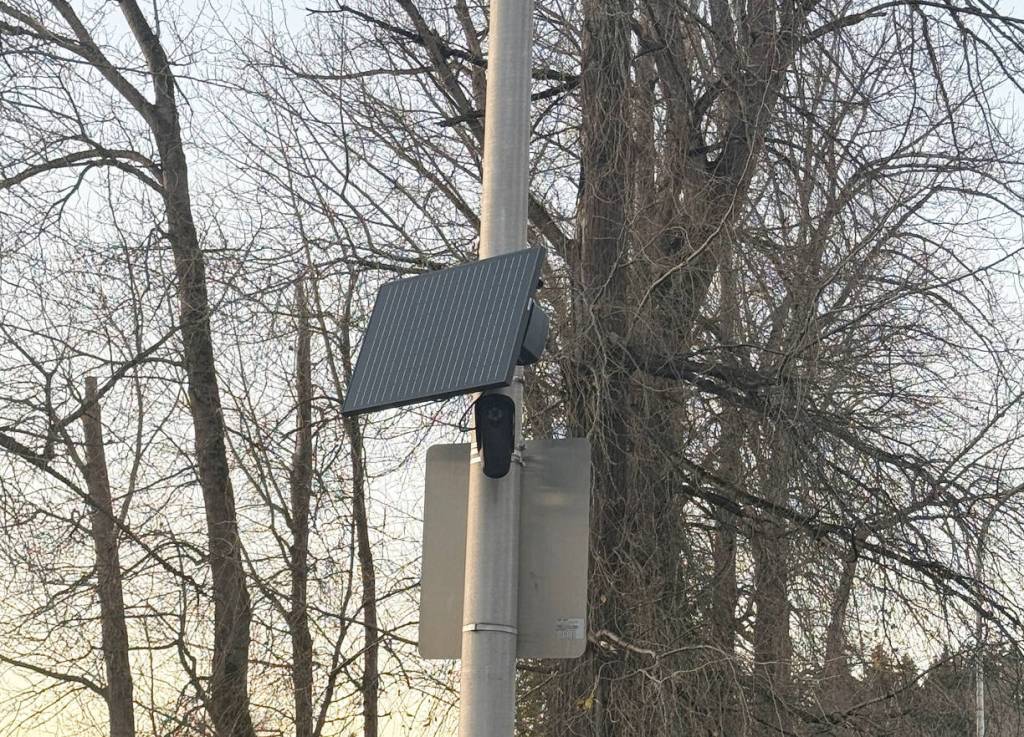
The Renton City Council voted to unpause the use of automated license plate recognition (ALPR) cameras in police and parking enforcement vehicles, while keeping the Flock cameras off.
At the July 22 council meeting, Councilmember Carmen Rivera motioned to continue the pause on the city’s ALPR Falcon Flock cameras to further review the contract while immediately unpausing the ALPR Axon in-car cameras in police vehicles and the ALPR Genetec cameras in parking enforcement vehicles “while continually collecting data on both systems to study their effectiveness.”
However, the police department said ALPR cameras in the vehicles cannot be turned back due to Washington State Law, SB 6002, which prohibits ALPR cameras from sensitive areas, such as schools, religious facilities and reproductive health care providers.
“The technology for the in-car ALPR systems is not yet capable of disabling them in those areas. Apparently, the companies are trying to create the technology, but there’s no word on when that may happen,” said Renton Police Communications and Community Engagement Manager Meeghan Black.
Black confirmed the cameras in vehicles have been turned off since Gov. Bob Ferguson signed SB 6002 into law on March 30.
At the meeting, Councilmember James Alberson said the drivers of the vehicles would have to turn the cameras off and back on again every time they passed a sensitive zone and the motion would serve “no purpose whatsoever.”
“I’ve spoken to several of our police officers who are on the ground using these systems and they, I think, would disagree with you and say that turning on the in-car cameras is a good compromise at this point in time based off of public opinion,” Rivera said. “Additionally, your comment has affirmed that the cameras can be turned on and off. So they can use them and un-use them when they see fit to comply with the senate bill.”
Rivera said most of the concerns are with the Flock cameras mounted around the city collecting images and the in-car cameras are easier to control. Alberson disagreed.
“Now you have a moving camera capturing the same information all these individuals are worried about,” Alberson said. “If there was an opportunity to abuse it more, it would be individually by one person driving around and deciding to follow somebody. So, overall, this particular compromise should be something that everybody in the audience would have a concern about.”
Councilmember Ryan McIrvin supported the motion, particularly the review of the city’s contract with Flock. Nearby cities like Redmond, Edmonds and Lynnwood have already cancelled their contracts with Flock this year. The Los Angeles Police Department is looking to add more protection on the data collected by the company.
“That’s been identified as an area of concern by members of the community. I share that concern certainly with the decision that LAPD made,” McIrvin said. “I would want to know that we did end up with something that maybe had a little bit more teeth in it for us and protected that misuse of that data from Flock.”
The council unanimously voted in favor of the motion.
“Even if we unpause it legislatively, the chief has no intention of unpausing the system until the technology catches up,” Mayor Armondo Pavone said.
Rivera then made a second motion to refer the city administration to explore using a third-party auditing system for all the city’s ALPR systems.
“Our officers are okay with a third party auditor coming in and doing this work for them. That was something that they were okay with and that’s one of the main concerns because, frankly, I’ll be honest, I don’t think that we should be auditing ourselves,” Rivera said.
Several council members supported the idea of having a third-party group auditing the systems. However, Pavone said they will have nothing to audit with the Flock system off and the other ALPR systems unable to function currently.
Councilmember Valerie O’Halloran asked if they could audit the data collected before the cameras were turned off. Pavone said the data is only held for 21 days.
The council then approved this motion as well.
“When those cameras do come back on, I think for us to consider a third party auditing system and get ahead of that would be really smart of us,” Rivera said.