King County blocks construction of ICE detention centers
Published 2:48 pm Wednesday, March 4, 2026
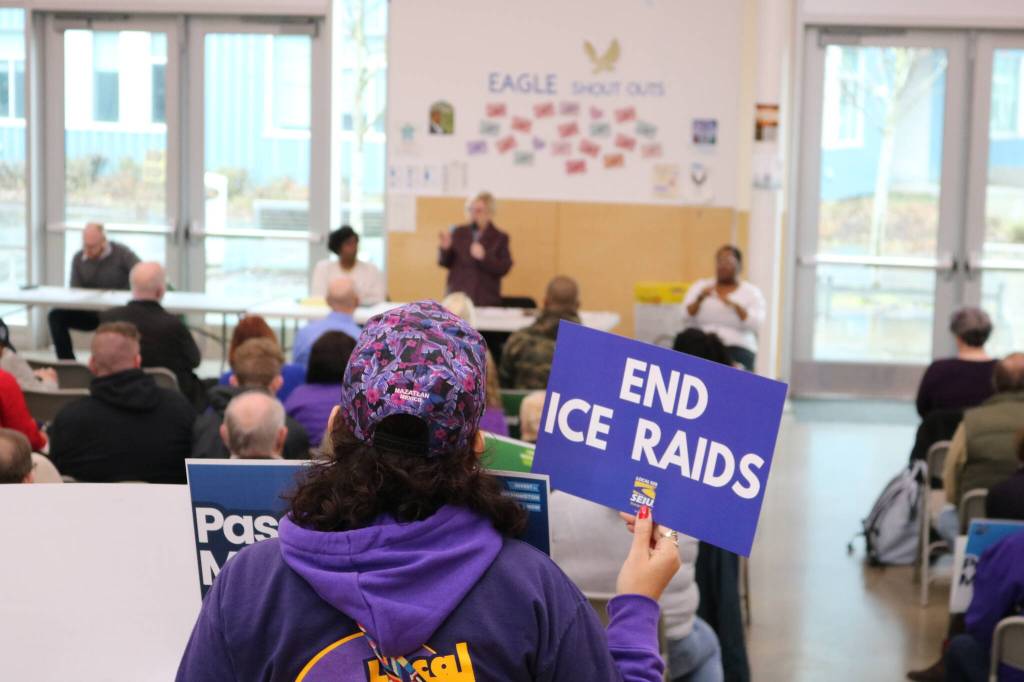
The King County Council approved an emergency one-year moratorium on March 3 that immediately blocks acceptance of permits for new or expanded detention facilities in unincorporated King County, preventing the siting of publicly or privately operated facilities, whether proposed as permanent or temporary uses.
Notably, potential U.S. Immigration and Customs Enforcement (ICE) detention centers.
The ordinance also prevents approvals obtained through “vague or misleading project descriptions and closes regulatory gaps that could otherwise allow private detention facilities to move forward before updated rules are adopted.”
“King County’s land and resources should be used to support the health, safety, and well-being of our communities — not to build systems that isolate, intimidate, and harm the very people who make our region strong,” said Councilmember Teresa Mosqueda, Chair of Health, Housing, and Human Services, who sponsored the bill.
“Detention facilities are being used to disappear our friends, family, and community members into inhumane conditions, often without due process — and they also carry serious consequences for the health and safety of surrounding neighborhoods. When our neighbors are afraid to seek medical care, shop for groceries, or send their children to school, they bear the immediate harm — and our communities lose the trust, connection, and stability that allow us all to thrive.”
King County has the authority under constitutional police powers, home rule authority, and the Washington state Growth Management Act, to establish a moratorium to preclude the acceptance of certain new development applications while the county studies related land use issues, Mosqueda said.
Mosqueda said the ordinance is consistent with legislation that has been adopted, or is under consideration by, Tukwila, SeaTac, Port of Seattle, City of Seattle, Baltimore County, Kansas City, Missouri, and other jurisdictions around the country, and ensures that King County’s land use regulations can continue to focus on strengthening public health and community resilience.
The council took immediate action to avoid a potential rush of permit applications and to allow time for a comprehensive review of how detention facilities should be regulated. The ordinance directs the County Executive to conduct a study examining impacts, mitigation measures, and appropriate development standards, and to recommend permanent code updates within nine months.
There will be a public hearing on the moratorium within 60 days.