‘Never again is now’: Remembering 125k incarcerated Japanese-Americans

“Never again is now” is the refrain that echoed through the Puyallup Valley Japanese American Citizens League’s 2026 Day of Remembrance on Feb. 21.
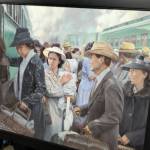
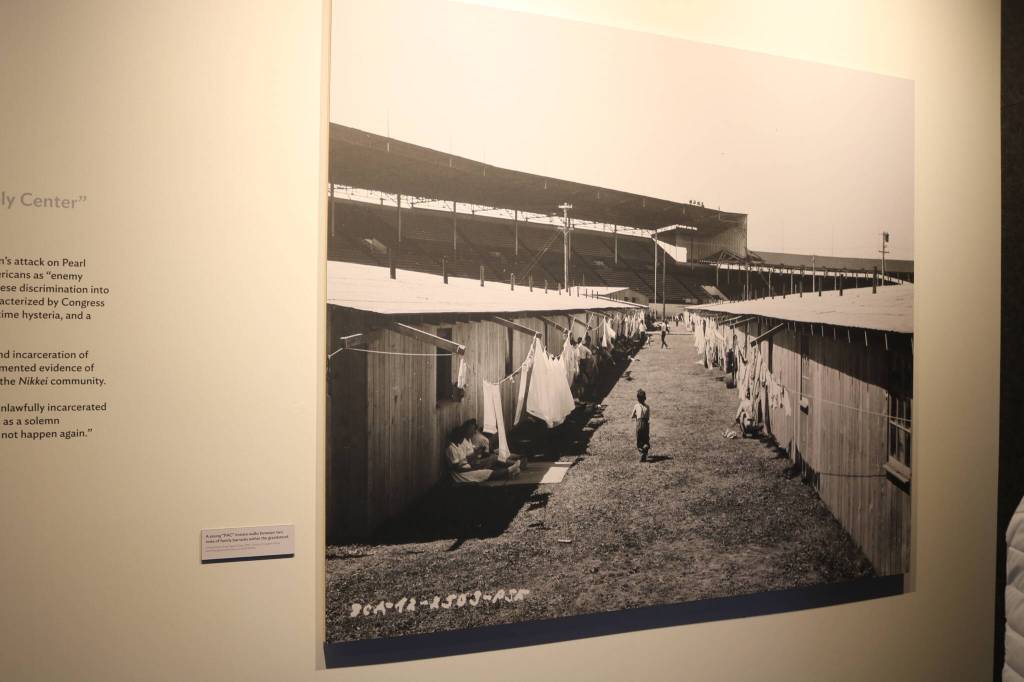
The annual event honors the over 125,000 people of Japanese descent who were imprisoned due to their ethnicity during World War II, including on the event’s location at the Washington State Fairgrounds in Puyallup, the site of the Puyallup Assembly Center (PAC).

The PAC was the largest temporary American concentration camp in Washington state. Survivors who passed through these camps are now speaking out against current mass immigration detention as they reflect on the past.

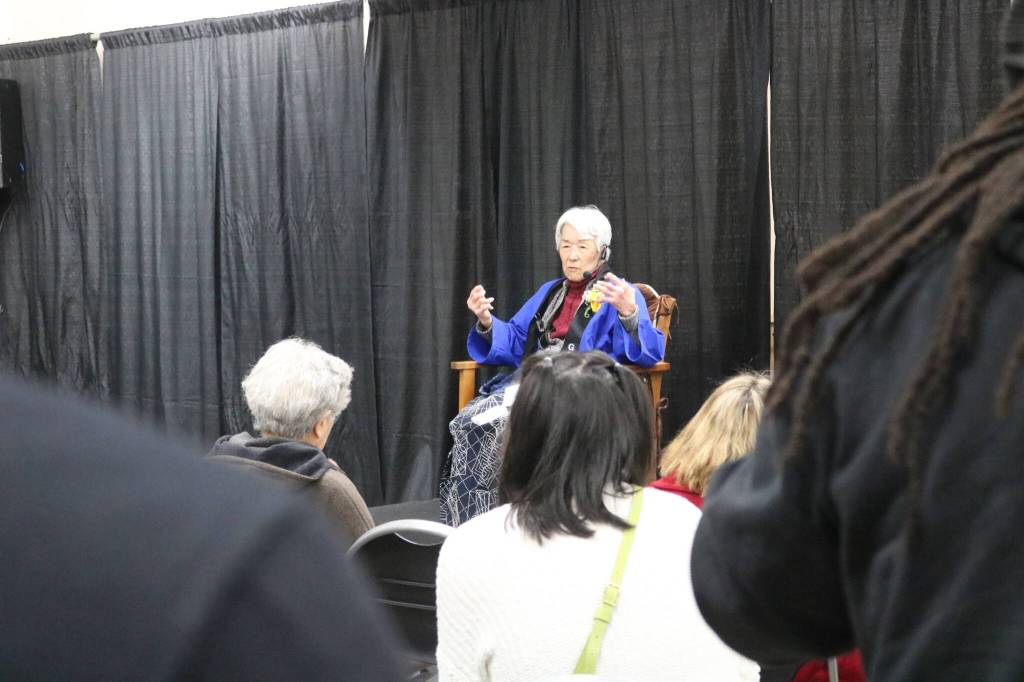
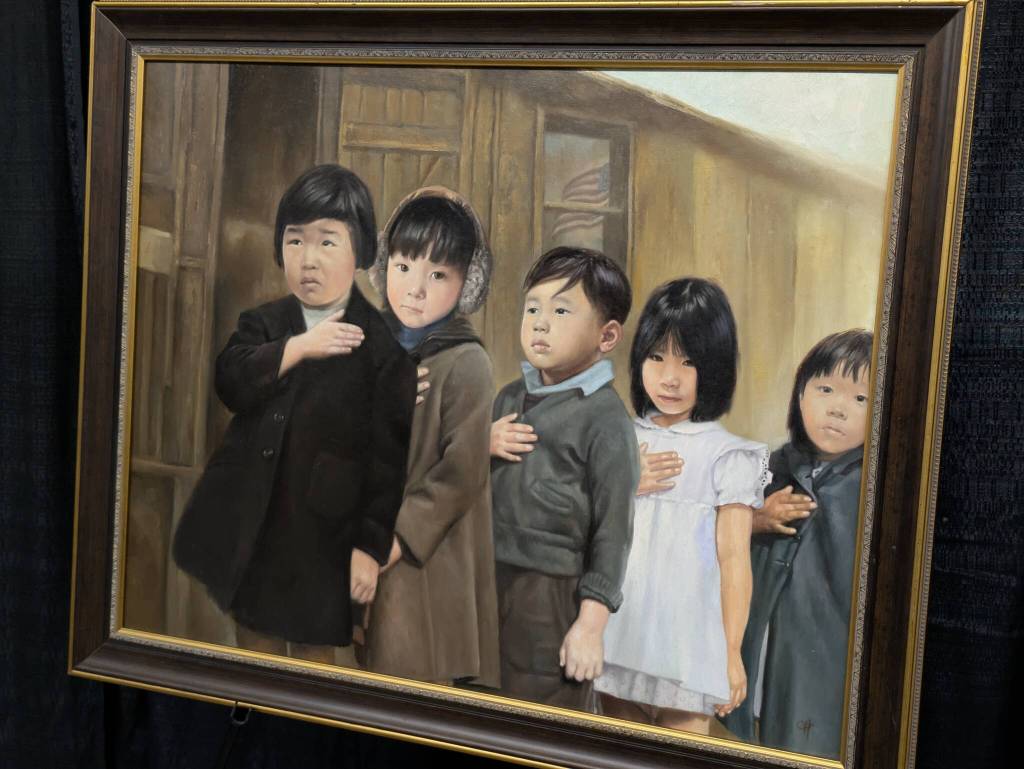
On Saturday, the stories of living survivors Hana Konishi and Paul Tomita reverberated through the Expo Hall, mingling in the large space with readings by author Tamiko Nimura, discussions of art about the incarceration experience by Chris Hopkins, and updates from Stan Shikuma of Tsuru for Solidarity.

In past years, this event typically had a format that featured a formal agenda of speakers and presentations to a seated audience, but this year, “we decided that we wanted something that was going to be a little bit more interactive for the audience,” said Eileen Yamada Lamphere, president of the Puyallup Valley Chapter of the Japanese American Citizens League (JACL).

This year, five stations were set up for attendees to experience at their own pace, offering more opportunity to really engage with the stories shared there.

Author Tamiko Nimura read excerpts from a new book coming out in April 2026 titled “A Place for What We Lose: A Daughter’s Return to Tule Lake.”

At Shikuma’s station, he shared updates about the organization’s partnership with La Resistencia, including an invitation to all attendees to join a Solidarity Day event at the Northwest Detention Center in Tacoma that was hosted immediately after the event in Puyallup.

There, survivors of Japanese American WWII incarceration spoke about the “parallels between their lived experiences and the current victims of mass immigration detention,” according to event materials.

The Northwest Detention Center (NWDC) is an immigration prison located in Tacoma, privately owned and operated by the GEO Corporation.

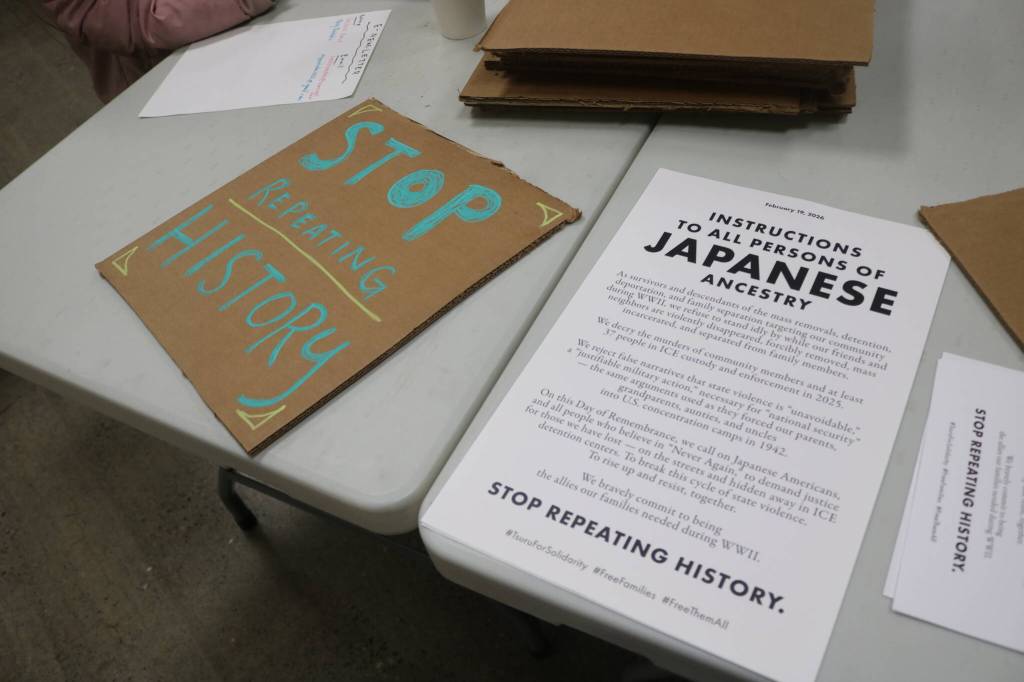
One of Tsuru for Solidarity’s slogans is to “stop repeating history.”

“When you look at what is happening around immigration, there’s a lot of resonance with the Japanese American experience,” Shikuma said. One of these similarities is “vilification based on who you are or where you came from, your race or your ethnicity, the language you speak, the culture you practice, not based on anything that you actually do.”

Another pattern Shikuma described is the “invocation of the Alien Enemies Act, the lack of habeas corpus, no charges, no hearings, no trials, but everybody gets taken away and locked up. That’s happening. Imprisonment of children, separation of families, all of that has happened not just to Japanese Americans,” adding that “slavery was a continuation of that.”

After Japanese incarceration, many families focused on moving on and moving forward, but as time went on, the movement grew to demand redress for the abuse the community suffered at the hands of the government.

This movement was successful in achieving a formal apology and reparations payments to every surviving Japanese American who had been interned, through the Civil Liberties Act of 1988.

It’s because of this history that Shikuma said he and many other survivors and descendants feel an obligation to speak up today.

“We feel like because of the redress movement, because of our experience, and because of the relative success of Japanese Americans, we have a certain moral authority around the issues of child imprisonment, family separation, indefinite detention. And with moral authority comes great moral responsibility, so it’s a moral obligation, in my mind, for us to stand up and speak up,” Shikuma said.

Events like the Day of Remembrance and the solidarity demonstration at the detention center are two actions toward this mandate to stand up against modern civil and human rights violations, he said, and that work is also now embodied in a permanent exhibit at the Washington State Fairgrounds.

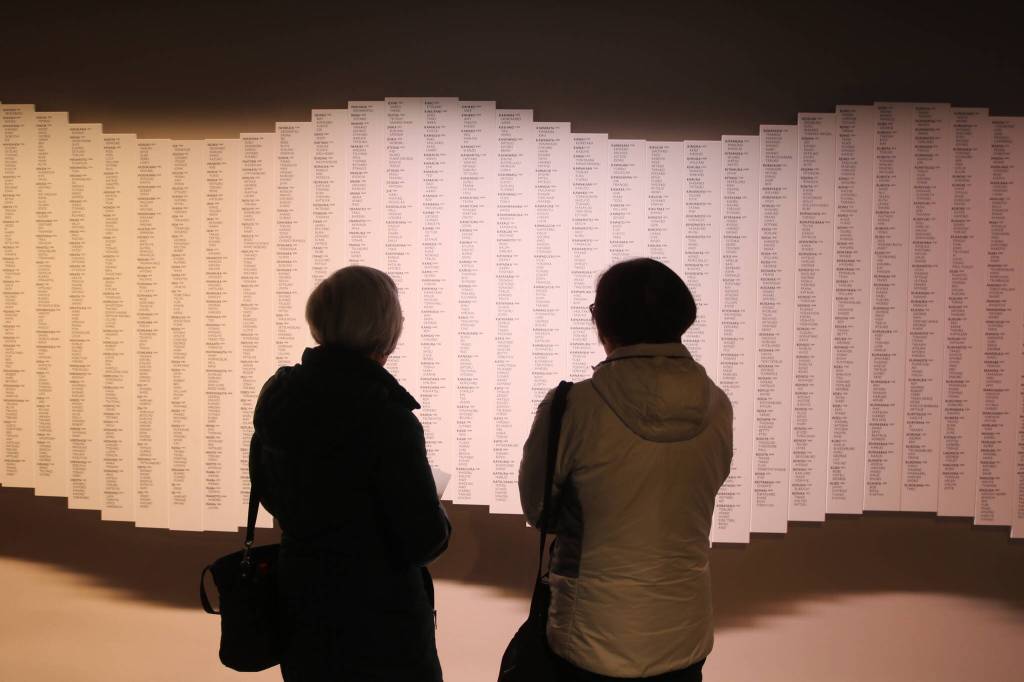
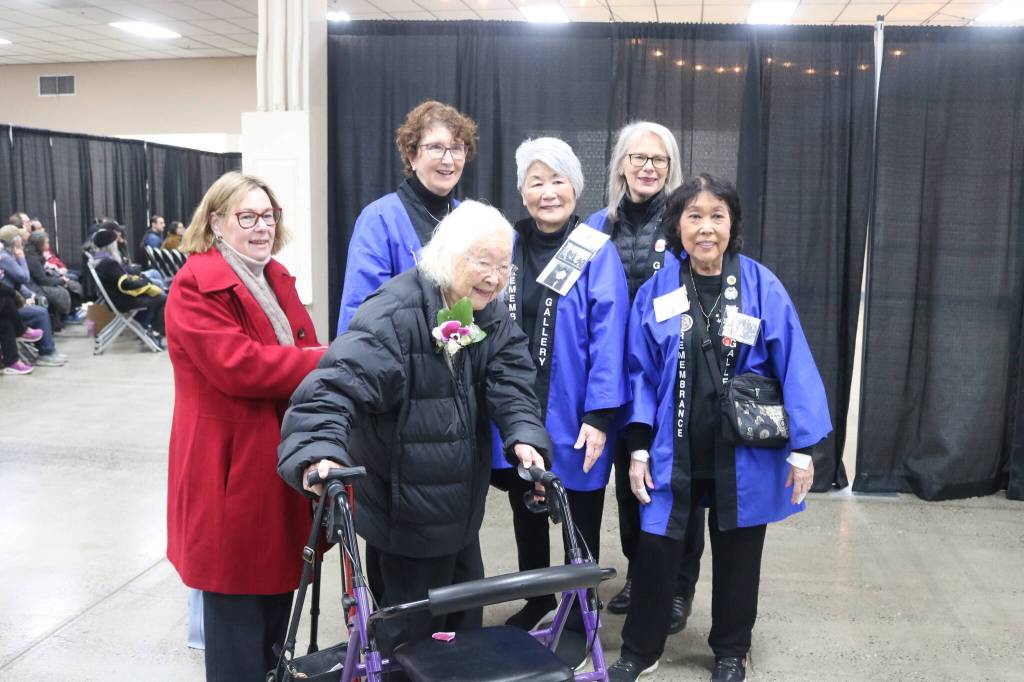
Attendees also had the chance to visit this exhibit, titled the Remembrance Gallery, which opened to the public on Aug. 30, 2024, and details what life was like at the PAC.

Inside are over 7,500 names of those imprisoned there due to Executive Order 9066 between April and September 1942, before they were moved inland to one of the 10 permanent concentration camps.

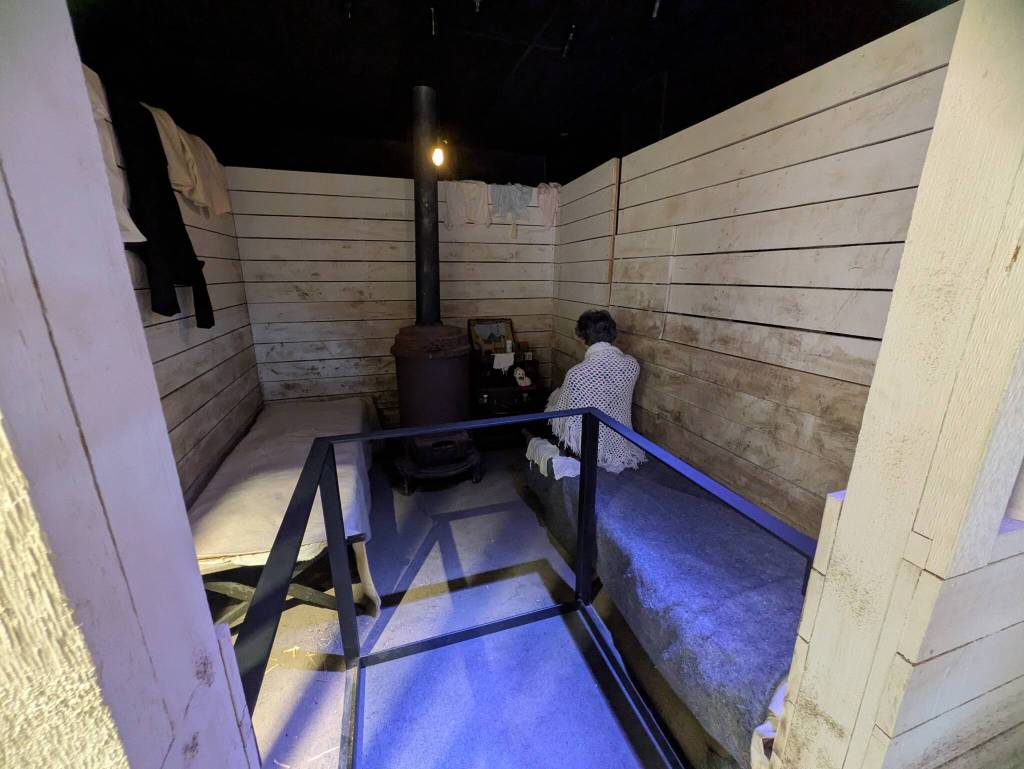
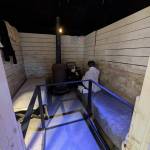
The exhibit also includes a full-size 8’ by 10’ recreation of a horse stall, where those who were incarcerated were forced to live.

On March 28, the Ireichou, or Book of Names will make a stop at the Remembrance Gallery at the PAC. The Ireichou is “an accurate and comprehensive list of every person of Japanese ancestry incarcerated in the World War II camps. A newer version of the book will have over 126,000 names of persons detained nationwide, not just along the West Coast.”

Woven throughout the permanent exhibit, the stories of attendees and those of the presenters, the threads of painful memories all connect to the core desire to never have this history repeated for future generations.

“I have a new grandkid. He lives upstairs for me, I take care of him every day,” Shikuma said. The question that drives him these days is to ask himself: “What kind of a world do I want him to live in, to grow up in? Do I want him to be in a world full of anger and hate or one of love and community?”
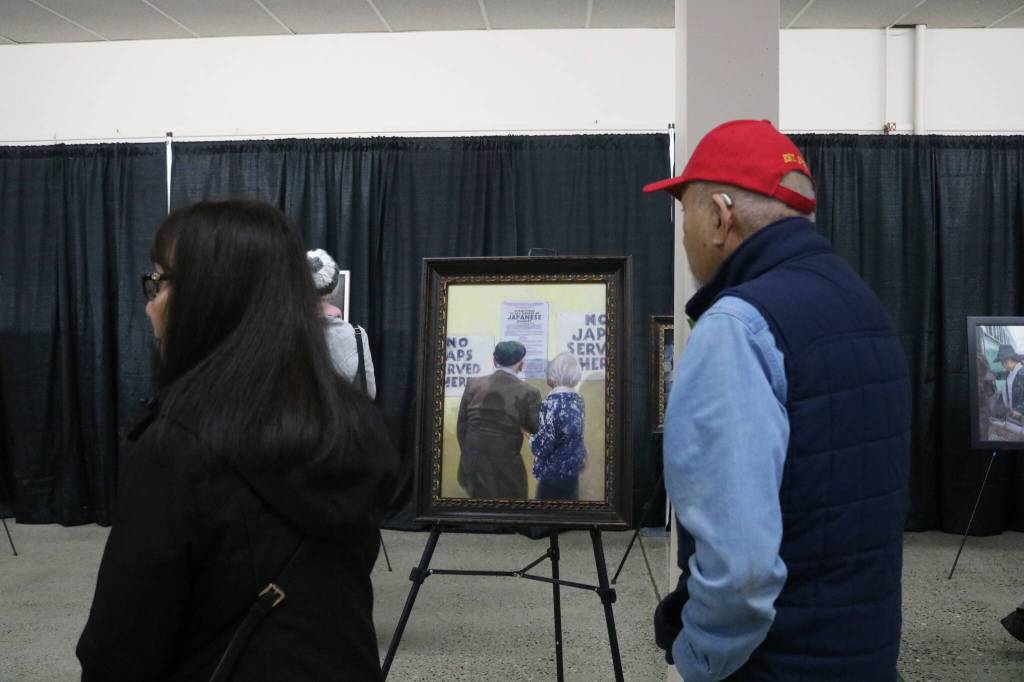
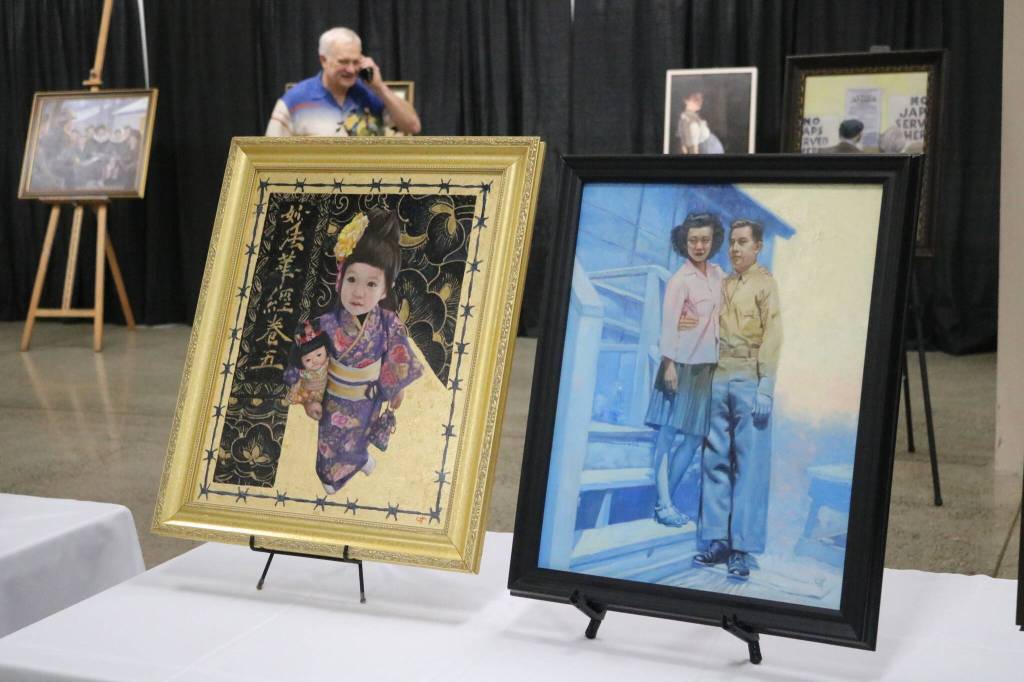
Attendees take in art by Chris Hopkins exploring the incarceration experience. Photo by Bailey Jo Josie/Sound Publishing

Attendees take in art by Chris Hopkins exploring the incarceration experience. Photo by Bailey Jo Josie/Sound Publishing

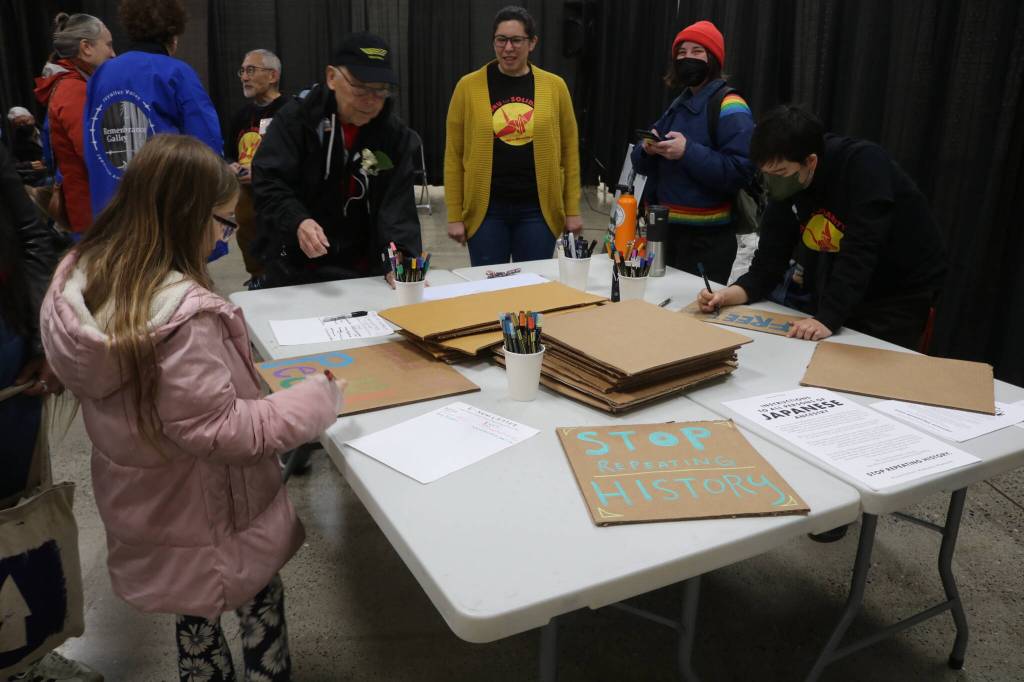
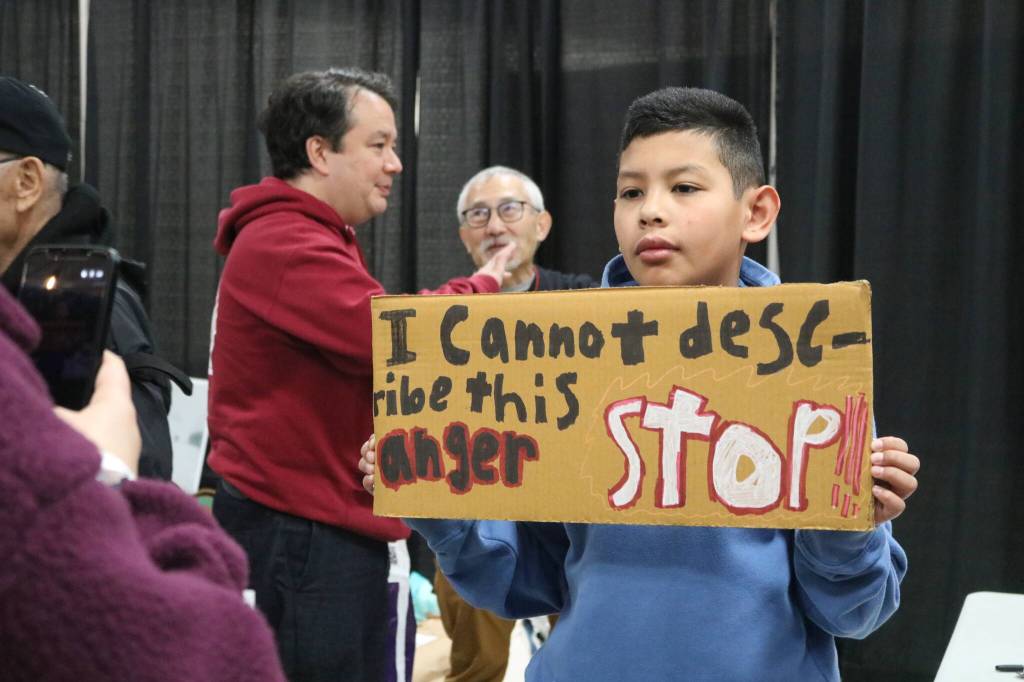
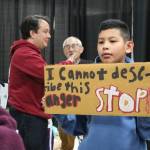
Participants make signs to bring to the Solidarity Day demonstration at the Northwest Detention Center in an event organized by Tsuru for Solidarity and La Resistencia. Photo by Bailey Jo Josie/Sound Publishing

Participants make signs to bring to the Solidarity Day demonstration at the Northwest Detention Center in an event organized by Tsuru for Solidarity and La Resistencia. Photo by Bailey Jo Josie/Sound Publishing

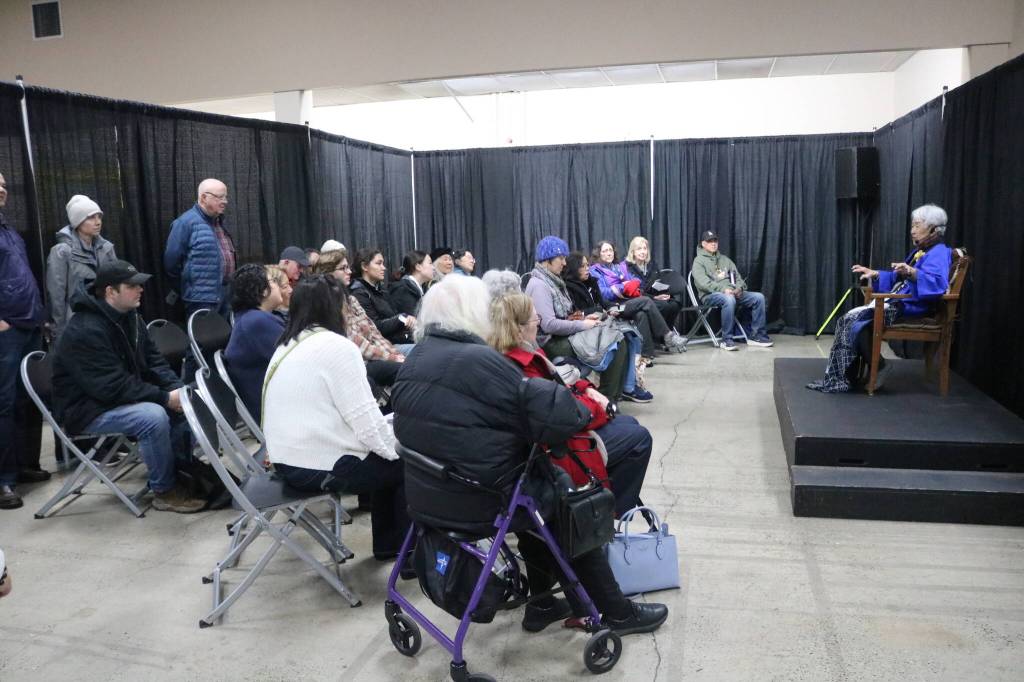
Attendees hear from survivor Hana Konishi about her experiences during Japanese incarceration at the annual Day of Remembrance. Photo by Bailey Jo Josie/Sound Publishing

Attendees hear from survivor Hana Konishi about her experiences during Japanese incarceration at the annual Day of Remembrance. Photo by Bailey Jo Josie/Sound Publishing

Art by Chris Hopkins show a snapshot of Japanese-American lives in the 1940s. Photo by Bailey Jo Josie/Sound Publishing

Art by Chris Hopkins show a snapshot of Japanese-American lives in the 1940s. Photo by Bailey Jo Josie/Sound Publishing

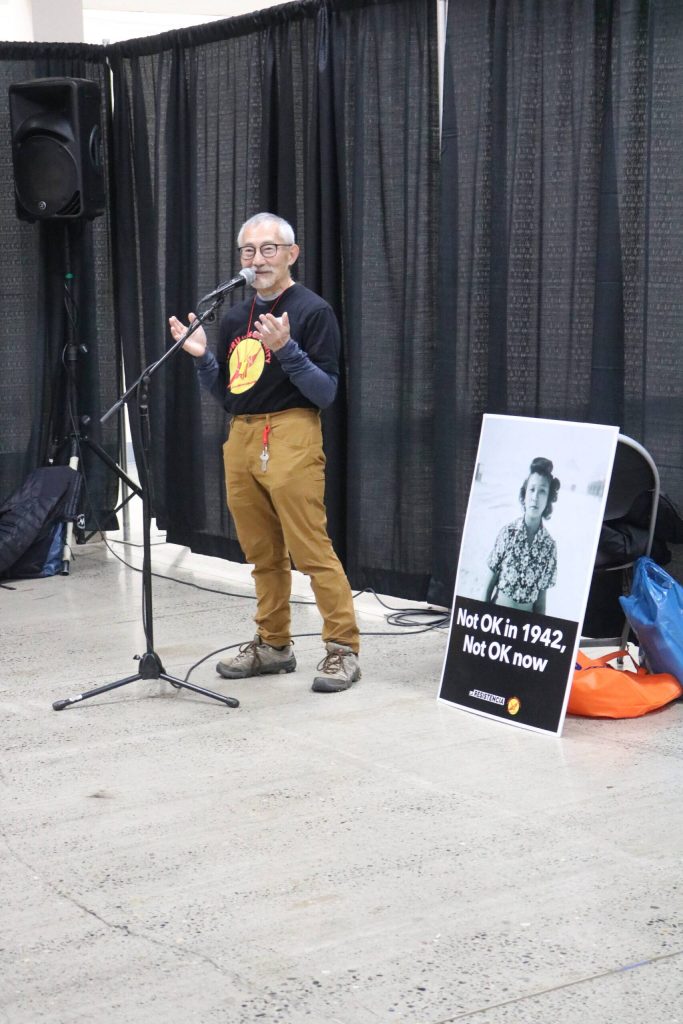
Stan Shikuma of organization Tsuru for Solidarity shares updates on what is needed to support immigrant and refugee communities currently being targeted.

Stan Shikuma of organization Tsuru for Solidarity shares updates on what is needed to support immigrant and refugee communities currently being targeted.

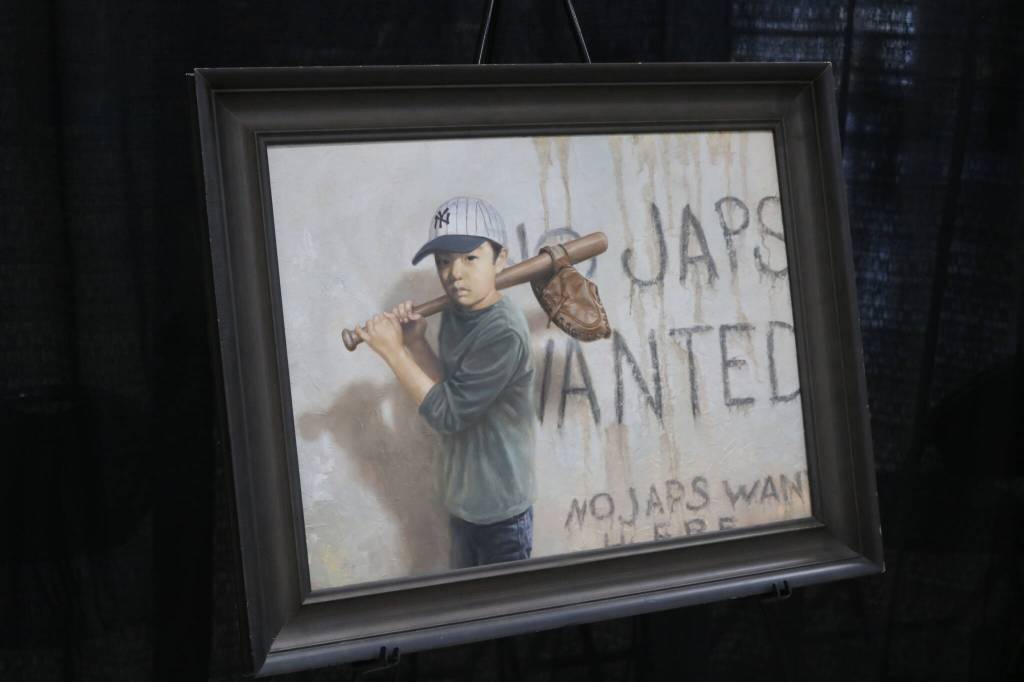
A painting by Chris Hopkins depicts incarceration from a child’s perspective, balancing recreation and the experience of racism during WWII. Photo by Bailey Jo Josie/Sound Publishing

A painting by Chris Hopkins depicts incarceration from a child’s perspective, balancing recreation and the experience of racism during WWII. Photo by Bailey Jo Josie/Sound Publishing

Audience members listen to survivor Hana Konishi tell the story of being incarcerated as a child with her family. Photo by Bailey Jo Josie/Sound Publishing

Audience members listen to survivor Hana Konishi tell the story of being incarcerated as a child with her family. Photo by Bailey Jo Josie/Sound Publishing

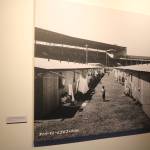
A photo in the Remembrance Gallery shows the quickly constructed living quarters in the middle of the Washington State Fairgrounds. Photo by Bailey Jo Josie/Sound Publishing

A photo in the Remembrance Gallery shows the quickly constructed living quarters in the middle of the Washington State Fairgrounds. Photo by Bailey Jo Josie/Sound Publishing

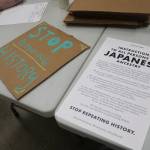
A sign created by a community member rests next to an updated version of Executive Order 9066 from Tsuru for Solidarity, this time calling for descendants and survivors to stand up against state violence against immigratn communities. Photo by Bailey Jo Josie/Sound Publishing

A sign created by a community member rests next to an updated version of Executive Order 9066 from Tsuru for Solidarity, this time calling for descendants and survivors to stand up against state violence against immigratn communities. Photo by Bailey Jo Josie/Sound Publishing

Photos by Bailey Jo Josie/Sound Publishing
The permanent Remembrance Gallery exhibit features a recreation of a horse stall that families lived in while imprisoned at the Puyallup Assembly Center in 1942, the largest temporary concentration camp in Washington state.

Photos by Bailey Jo Josie/Sound Publishing The permanent Remembrance Gallery exhibit features a recreation of a horse stall that families lived in while imprisoned at the Puyallup Assembly Center in 1942, the largest temporary concentration camp in Washington state.

Community members make signs at the Tsuru for Solidarity station.

Community members make signs at the Tsuru for Solidarity station.

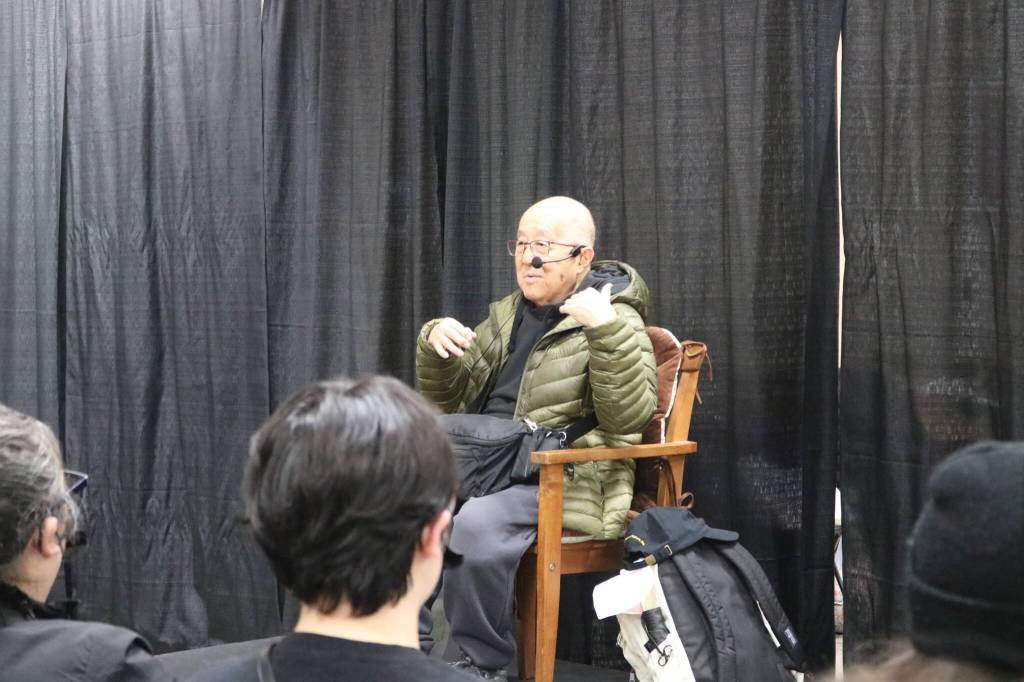
Survivor Paul Tomita shares his story of incarceration in an American concentration camp. Photo by Bailey Jo Josie/Sound Publishing

Survivor Paul Tomita shares his story of incarceration in an American concentration camp. Photo by Bailey Jo Josie/Sound Publishing

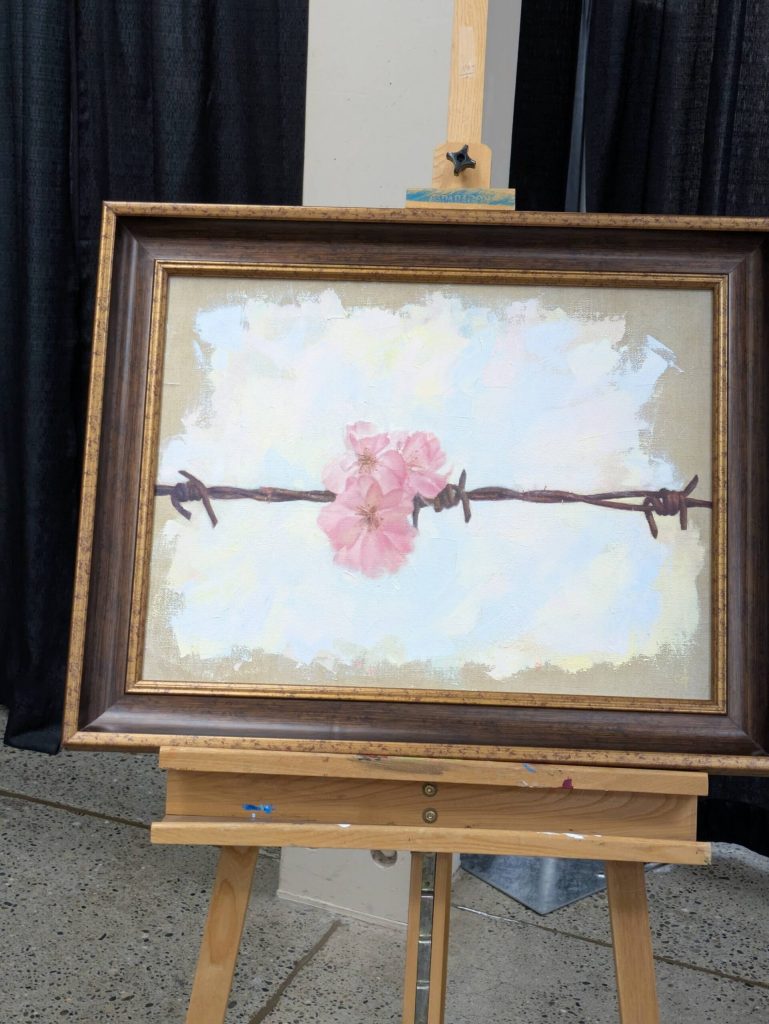
Cherry blossoms and barbed wire express a reflection on Japanese incarceration in this painting by Chris Hopkins. Photo by Bailey Jo Josie/Sound Publishing

Cherry blossoms and barbed wire express a reflection on Japanese incarceration in this painting by Chris Hopkins. Photo by Bailey Jo Josie/Sound Publishing

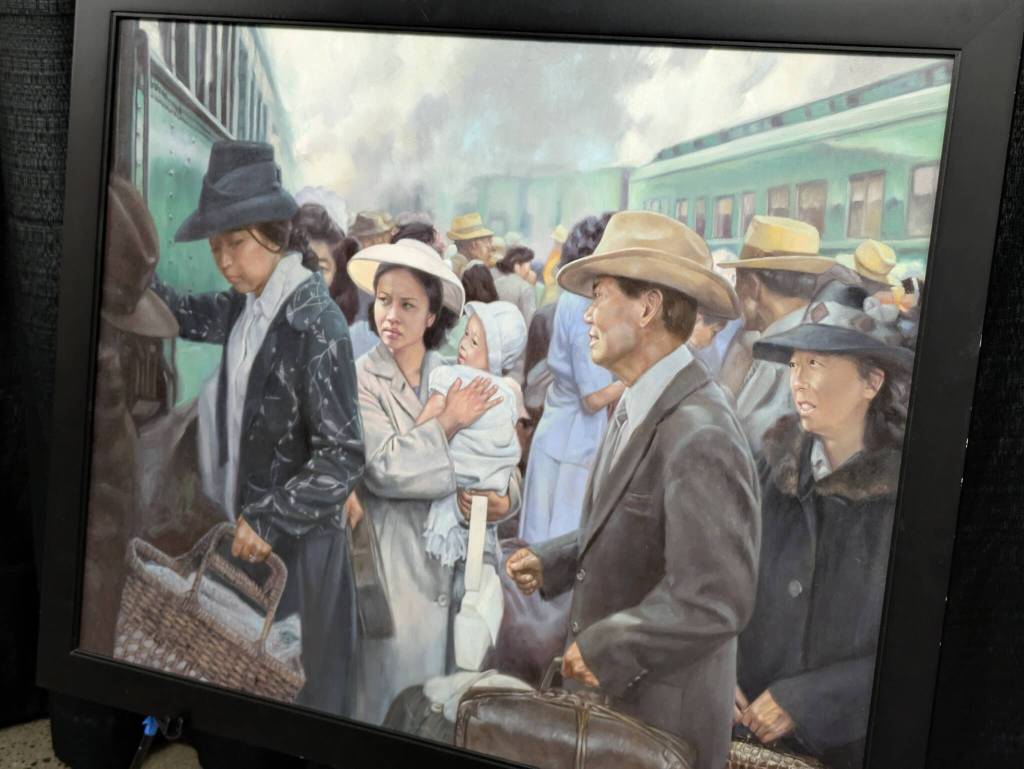
Images of the journey to U.S. concentration camps are shown in Chris Hopkins paintings. Photo by Bailey Jo Josie/Sound Publishing

Images of the journey to U.S. concentration camps are shown in Chris Hopkins paintings. Photo by Bailey Jo Josie/Sound Publishing

Children were among those imprisoned because of their nationality and ethnicity during WWII in the United States, as shown in this painting by Chris Hopkins. Photo by Bailey Jo Josie/Sound Publishing

Children were among those imprisoned because of their nationality and ethnicity during WWII in the United States, as shown in this painting by Chris Hopkins. Photo by Bailey Jo Josie/Sound Publishing

Photo by Bailey Jo Josie/Sound Publishing
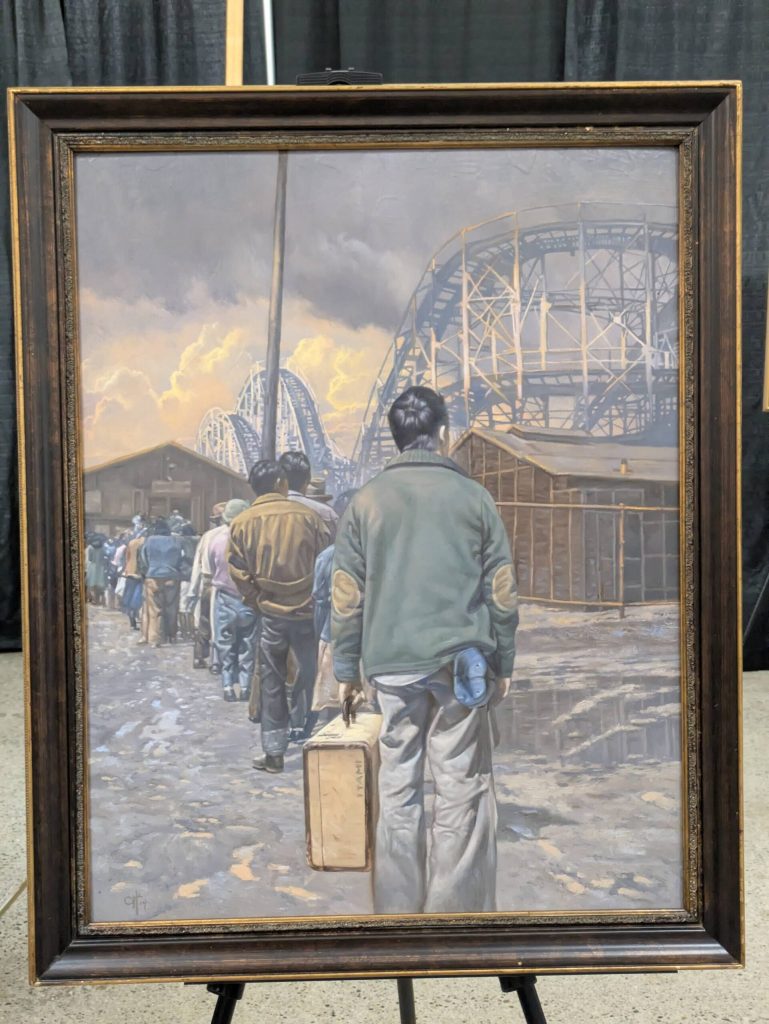
A painting by Chris Hopkins explores the incarceration experience, this one highlighting the stark contrast of the use of the Washington State Fairgrounds for imprisoning Japanese American families with its other uses for entertainment as a rollercoaster looms above those entering the Puyallup Assembly Center.

Photo by Bailey Jo Josie/Sound Publishing A painting by Chris Hopkins explores the incarceration experience, this one highlighting the stark contrast of the use of the Washington State Fairgrounds for imprisoning Japanese American families with its other uses for entertainment as a rollercoaster looms above those entering the Puyallup Assembly Center.

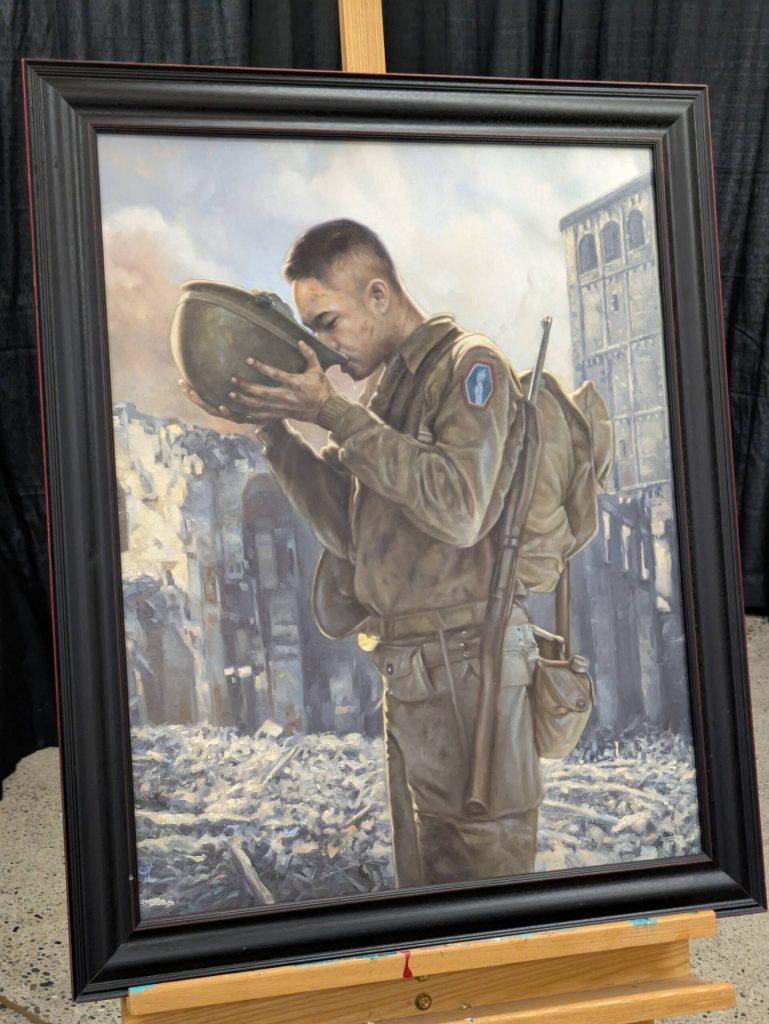
Nisei veterans were those who were drafted to serve in the war after being incarcerated by their own governmentn in the United States. This painting by Chris Hopkins captures a moment of that experience. Photo by Bailey Jo Josie/Sound Publishing

Nisei veterans were those who were drafted to serve in the war after being incarcerated by their own governmentn in the United States. This painting by Chris Hopkins captures a moment of that experience. Photo by Bailey Jo Josie/Sound Publishing